
You live with
lupus. now
lead the way.
Real stories. Real research. Real impact. By clicking below, you can see if you may pre-qualify to participate in a Lupus clinical study. Participation allows you to share your experience and contribute to research exploring investigational treatment options. Your involvement may help researchers better understand Lupus and support the development of future care approaches for diverse communities.
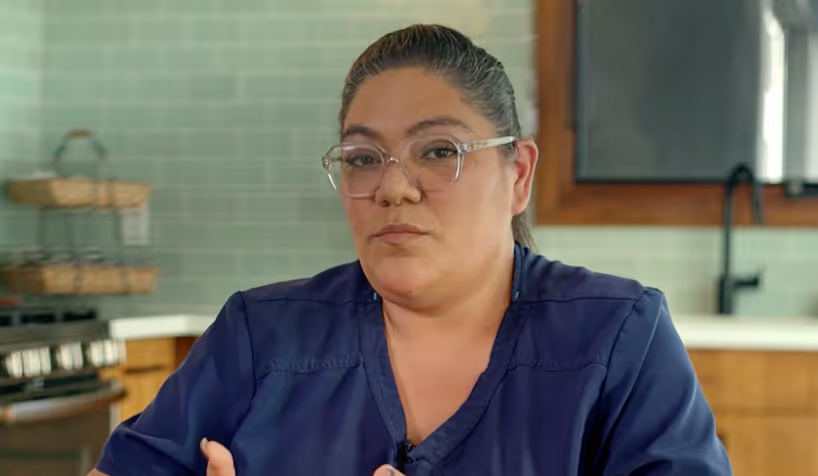
For me, participating in clinical trials meant being heard and telling my story.
— Patient

What is a Clinical Study?
Why Join a Clinical Study?
- You may be able to explore investigational options that could help you and support research to improve treatments for all lupus patients
- Receive dedicated attention from doctors and nurses in the study
- Learn how investigational treatments can help
- When people from different backgrounds participate, researchers get a clearer picture of how lupus affects everyone
living with Lupus1

Lupus is common, but clinical trial participation is rare.
While thousands take part in clinical trials each year, participation doesn’t reflect the diversity of those affected – especially among Black/African American and Hispanic communities. Because lupus affects everyone differently, each participant helps researchers better understand the disease and how treatments work across all communities.
What Should You Expect?
How Are Patients Cared For?
- The study is explained in easy-to-understand language
- There are review boards that approve how trials are conducted to make sure that safety and fairness are a priority
- You can ask questions, say no, or leave the study without losing your regular care
- Many studies provide support for patients (transportation, lodging, childcare, etc.), and some studies compensate participants for their time, inconvenience, and effort

(15–44) is lupus3
Who Joins Clinical Trials?
Lupus is common, but clinical trial participation is rare.
Through clinical trials, I’ve learned that I’m not alone and participating is something I can do to be a part of the solution. — patient

How Have Clinical Trials Changed
to Protect Participants?
In the past, there were serious cases of mistreatment that created distrust, like the three examples below, but today strict rules and oversight prioritize community safety
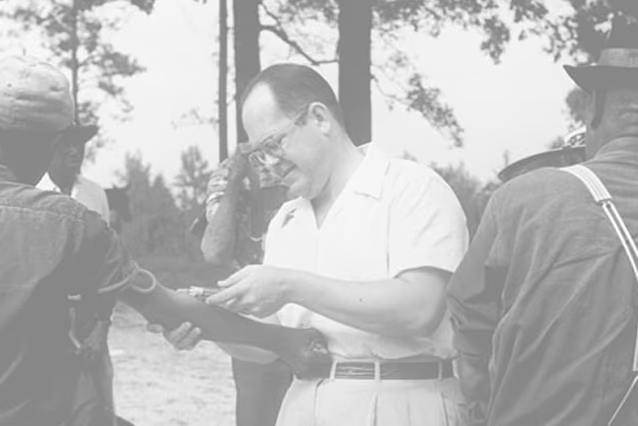
Tuskegee Syphilis Study
(1932–72)
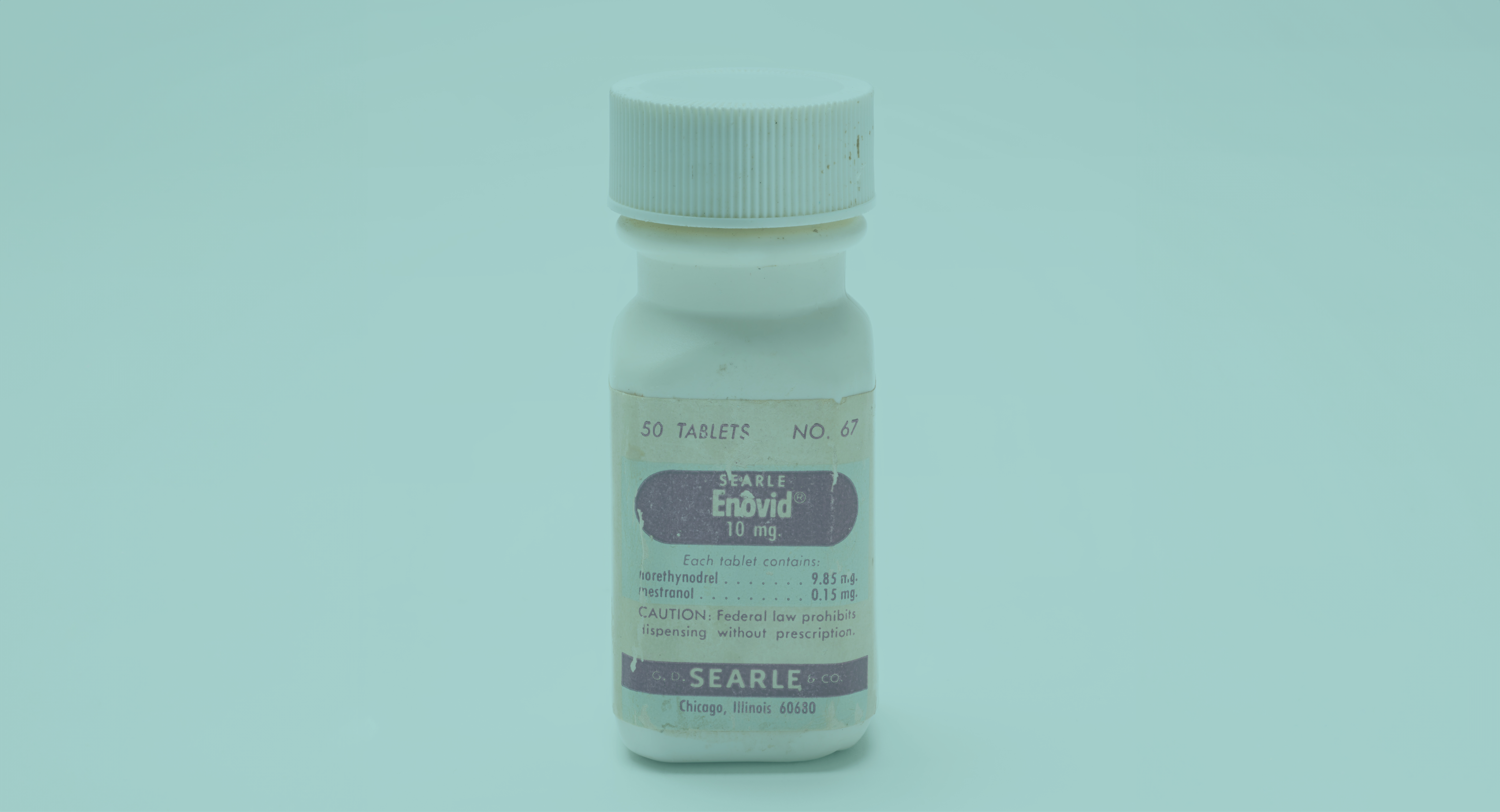
Puerto Rico Birth Control Trials
(1950s)

Willowbrook Hepatitis Study
(1956–70)
We have dedicated teams, called Institutional Review Boards (IRBs), which are committees made up of doctors, scientists, and community members. They review and approve the ethical standards of all clinical trials to protect participants and ensure that safety and fairness are a top priority.

Questions To Discuss With Your Doctor
Here are some questions that may help you start a discussion with your doctor.
- Should I consider a clinical study?
- Where can I learn more about clinical studies for SLE patients?
- Will a clinical trial affect my current lupus treatment?
- What are the possible risks and side effects of participating?